Bear Attacks Woman Jogging in Alaska, Drags Her 100 Yards
Concerns over close encounters with wildlife grew this week after a violent incident in southern Alaska. Early Tuesday in Kenai—about 150 miles southwest of Anchorage—a bear mauled a 36-year-old woman just outside her house. Officials confirmed she was badly injured when the animal attacked near her driveway.
According to the Alaska Department of Public Safety, the woman left her home around 5:45 a.m. for a jog. Within minutes, she encountered a brown bear near her property. Wildlife Trooper David Lorring later reported that the bear carried her about 100 yards down the road before a neighbor noticed the sight.
Police received notice of the attack at 6:58 a.m. Officers quickly arrived, secured the area, and arranged for her medical evacuation to a hospital in Anchorage. At the same time, state troopers and experts from the Alaska Department of Fish and Game launched a search.
A drone scanned the skies while officers tracked the ground. Despite their efforts, the bear was not located. Evidence at the scene strongly suggested the attacker was a brown bear.
Public Safety Warnings

Instagram | @independentdailyent | A morning jog in Alaska ends in terror as a brown bear drags a woman down the road before rescue teams arrive.
In an official dispatch, authorities urged residents to remain on high alert. Patrols of the area continue, and neighbors have been advised to supervise children and pets closely. Officials also warned against leaving outdoor items such as garbage, bird feeders, or pet food unsecured, as these could attract bears.
Wildlife officers reminded locals to keep their distance if a bear is spotted—a simple rule that has long underpinned Alaska’s approach to coexistence with its wild residents. Encounters are part of life here, where hundreds of thousands of black and brown bears roam, along with a few thousand polar bears further north.
In rich habitats like the Kenai Peninsula, densities can climb to roughly one bear per square mile. Conservation efforts over the past two decades have kept populations steady, even as human presence expands.
Despite the sheer number of bears, serious attacks remain rare. Between 2000 and 2017, the state recorded 10 deaths and 68 hospitalizations, a small share of the millions of outings Alaskans take every year. Still, risks persist.
In Anchorage, residents were recently cautioned to avoid salmon streams during spawning, and within weeks two hikers were injured in separate bear attacks. Both survived, but the incidents underscore how food-driven behavior can increase the chance of conflict, especially when outdoor recreation is at its peak.
Living Safely Alongside Wildlife
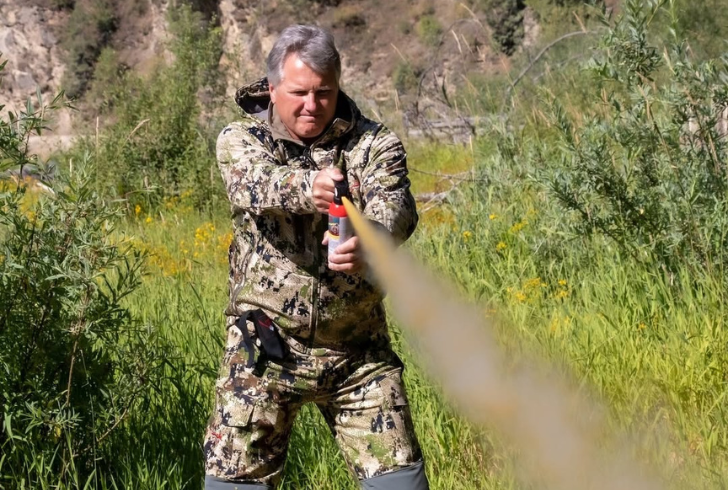
Instagram | @counter_assault | Alaskans learn to live safely with bears by staying alert, using groups, and carrying deterrents outdoors.
Alaska remains one of the few places in the world where large predator populations coexist closely with people. State officials encourage residents and visitors to learn how to reduce risks. Staying alert, traveling in groups, making noise while outdoors, and carrying deterrents like bear spray all improve safety.
The Kenai mauling is a powerful reminder that conservation and caution must go hand in hand. Safeguarding bears through long-term protections is important, but so is protecting people by following established safety practices. Communities that live by these principles can experience Alaska’s wilderness with far fewer risks.
For the woman attacked, survival came down to resilience—and her story now stands as both a warning and a reflection of Alaskan toughness. As more people take to the outdoors, the responsibility to remain alert grows. Respecting the natural separation between humans and wildlife protects lives while ensuring Alaska’s untamed spirit remains intact.